
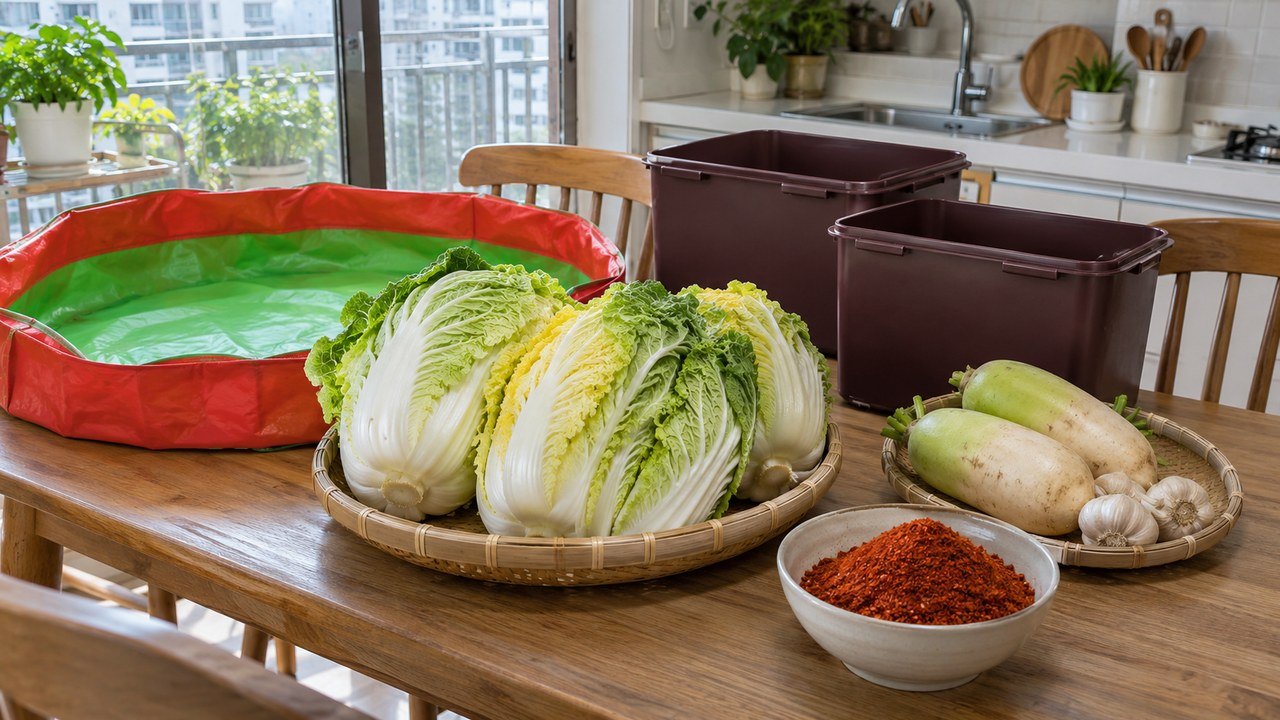
[DiaryPoint=Reporter Park Bo-young] South Korea’s Ministry of Food and Drug Safety will step up inspections of imported foods during customs clearance and distribution from Nov. 9 to 20 ahead of kimjang season. The checks will cover ingredients such as cabbage and red pepper powder, as well as cooking items including kimjang mats and kimchi storage containers.
The agricultural products under inspection include cabbage, chili peppers, radishes, onions, ginger, green onions and chives. Seafood checks will include freshwater shrimp, salted shrimp, dried shrimp, dried pollock, hairtail and croaker. Inspectors will also check salted cabbage, kimchi seasoning, fish sauce, red pepper powder, sea salt, sugar and corn syrup.
At the customs stage, Chinese cabbage and salted cabbage from China will be tested for formaldehyde. During distribution, inspectors will collect kimjang ingredients and check for 514 types of pesticide residues, heavy metals such as lead and cadmium, total aflatoxins, veterinary drugs, preservatives, tar-based colorants and E. coli.
This year, kimjang mats and bags, mandoline slicers, kimchi containers, colanders and rubber gloves have also been added to the list. Kitchenware and containers will be checked against standards and specifications for their materials. Products that fail customs inspections will be returned or destroyed; noncompliant products found in distribution will be recalled and destroyed.
When buying imported foods in stores, shoppers can check the Korean-language label on the package for the product name, country of origin, importer and expiration date. The country of origin of an ingredient may differ from that of the finished product, so it is a good idea to check ingredient labels even on processed foods made in South Korea.
Consumers can check whether a product they have already purchased has been recalled in the “Recalled and Suspended Sales” section of Food Safety Korea. Compare the product name as well as the manufacturer and expiration date to make sure it is the same item. The ministry’s intensive inspection period runs through Nov. 20.