
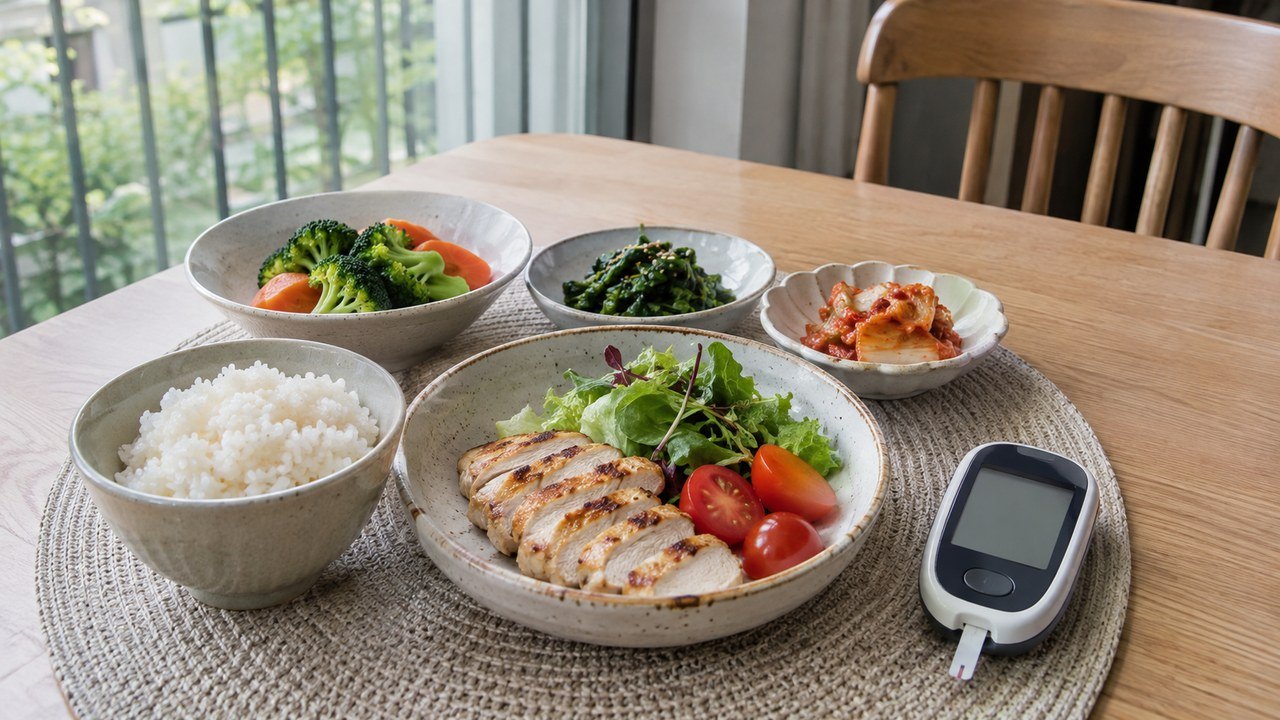
[Diary Point | Reporter Park Bo-young] Blood sugar can rise after eating. Diagnostic criteria for diabetes include a fasting plasma glucose level of 126 mg/dL or higher after at least 8 hours without food, an A1C of 6.5% or higher, or a 2-hour glucose level of 200 mg/dL or higher on a 75-g oral glucose tolerance test. These criteria should be distinguished from a single reading taken after an ordinary meal.
A 2-hour reading below 140 applies to the glucose tolerance test
The Korea Disease Control and Prevention Agency and the Korean Diabetes Association define normal fasting glucose as below 100 mg/dL and a 2-hour glucose level below 140 mg/dL after drinking 75 g of glucose. Fasting glucose of 100–125 mg/dL or a 2-hour result of 140–199 mg/dL on the glucose tolerance test falls in the prediabetes range.
The 2-hour threshold refers to the oral glucose tolerance test, in which a measured amount of glucose is consumed. A home reading after rice, a snack, or another regular meal does not by itself establish diabetes or prediabetes, even if it matches one of those numbers. Results can vary depending on what and how much you eat and when you take the measurement.
Consider fasting glucose and A1C together
A1C reflects average blood sugar over the past 2–3 months. Below 5.7% is considered normal; 5.7–6.4% is in the prediabetes range; and 6.5% or higher meets the diagnostic threshold for diabetes. Results may need careful interpretation in people with conditions such as anemia or reduced kidney function.
If a result meets one of the thresholds for fasting glucose, A1C, or the glucose tolerance test, a clinician may consider confirmatory testing. Unless blood sugar is clearly elevated, the result is generally checked again on another day. Diabetes can be diagnosed without repeating the test when two or more criteria are met on the same day.
Keep meals balanced and stay active
Blood sugar management starts with paying attention to portion sizes and the overall mix of foods, along with regular physical activity—not necessarily cutting out a particular food. A balanced diet that includes high-quality carbohydrates such as whole grains, beans, and vegetables, paired with everyday activity like a gentle walk after meals, can help. People who use glucose-lowering medication or insulin should discuss exercise with a clinician because of the risk of low blood sugar.
The term “blood sugar spike” or a brief rise on a continuous glucose monitor does not, by itself, indicate diabetes. If a health screening result falls outside the recommended range, or if you have persistent thirst, frequent urination, or unexplained weight loss, seek medical care. This information is not a substitute for diagnosis or treatment; ongoing symptoms should be evaluated by a healthcare professional.