
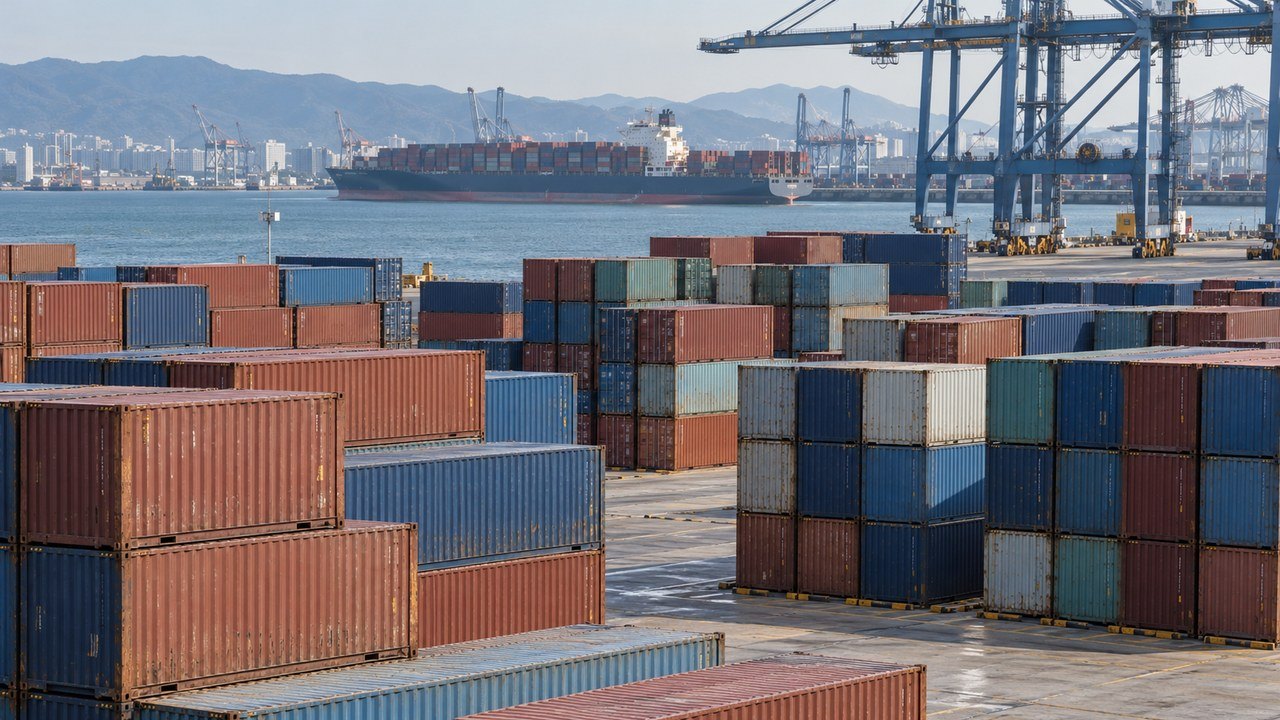
[DiaryPoint | Reporter Kim Jung-hoon] South Korea’s cumulative exports totaled $930 billion from January through October. The Ministry of Trade, Industry and Energy said on Nov. 1 that the country is on track to reach $1 trillion in annual exports in November. That leaves $70 billion to go.
Exports in October came to $115.28 billion, up 93.7% from the same month last year. They topped $110 billion for a second consecutive month and ranked as the second-highest monthly total on record. Imports rose 36.0% to $72.78 billion, leaving a trade surplus of $42.5 billion.
Semiconductor exports surge to $56.4 billion
Semiconductors led the export gains. October semiconductor exports reached $56.44 billion, up 259.4% from a year earlier. Demand from investment in the artificial intelligence industry, along with high prices and shipment volumes, kept exports above $50 billion for a second straight month. Computer exports also climbed 496.6%, driven by investment in server infrastructure and demand for server storage devices.
The export boom was not limited to semiconductors. Exports rose in 18 of the country’s 20 major product categories, while exports excluding semiconductors increased 34%. Still, semiconductors accounted for about half of October’s total exports, meaning investment in AI infrastructure and the chip market’s performance could have a major effect on the outlook.
Export growth does not necessarily translate into household relief
Export figures add up the customs value of goods sold abroad by companies. They do not directly reflect household wages, grocery bills or consumer conditions in South Korea. The benefits of export growth can reach industries, companies and workers unevenly, so strong export figures alone do not establish that household finances are improving.
Imports and the trade balance offer another view of economic conditions. October imports also rose 36%, and the ministry said energy imports increased 63.1%, partly because of higher international oil prices. Energy costs can weigh on businesses and consumer prices even as exports perform well, making inflation another trend to watch.
The ministry forecast that annual exports would reach $1 trillion in November. The next indicators to watch are whether exports surpass that milestone and whether growth led by semiconductors continues.