
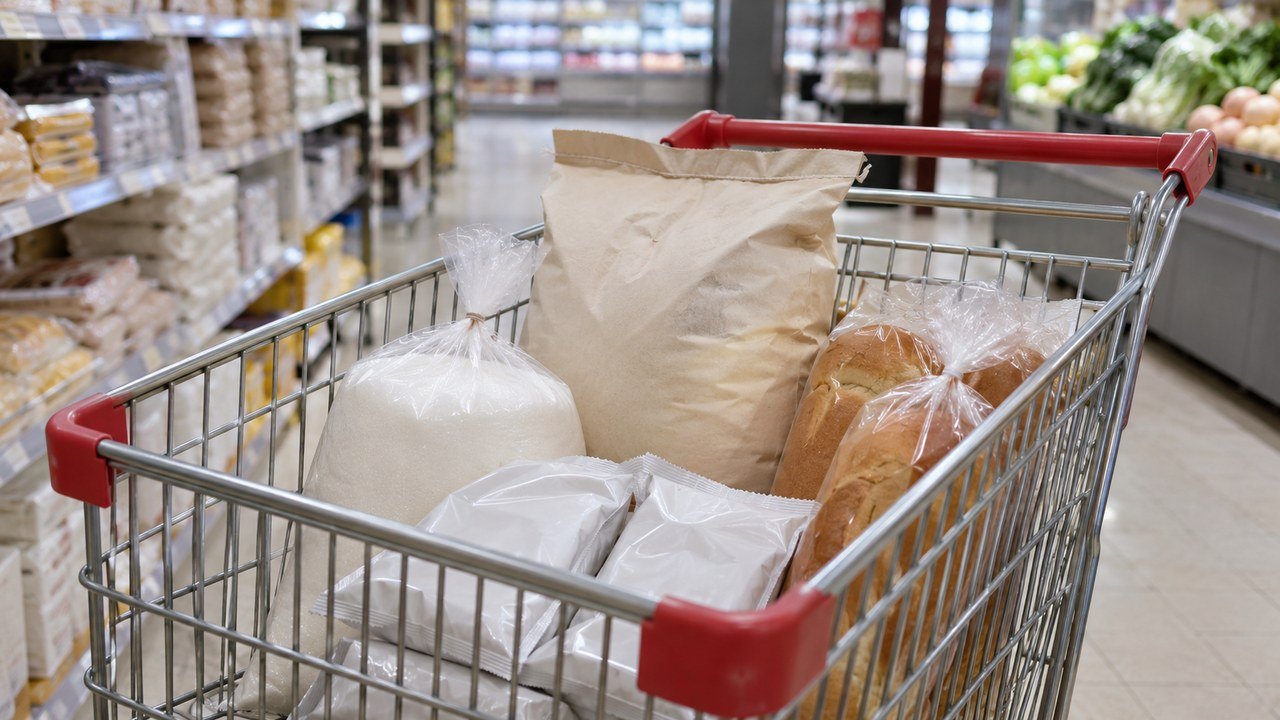
[DiaryPoint = Reporter Kim Jeong-hun] On Nov. 5, the government outlined its findings on price-fixing involving food ingredients including sugar, eggs, flour and starch syrup, as well as the effect of subsequent price cuts. A government policy briefing put the value of the collusion at about 1.8 trillion won and said prices fell by as much as 26.5% for the affected ingredients and 14.6% for processed foods.
Those figures do not mean every product fell in price by the same amount. The cost of ingredients such as sugar and flour may take time to show up in the prices of processed foods like bread and ramen, and the timing can vary depending on companies’ cost structures and pricing decisions. That makes it difficult to estimate what has happened to the price of products in a household’s shopping cart based on the reported maximum reductions alone.
Track ingredient and processed food prices separately
To keep tabs on grocery costs, it can help to first check price trends for sugar, flour and starch syrup, then compare prices for products that use those ingredients, such as bread, ramen and snacks. A drop in ingredient costs does not necessarily mean that retail prices will fall at the same time or by the same percentage.
The government’s “up to” figures refer to the largest price reduction recorded within each category. Actual prices paid by consumers can vary by product type, package size and retailer. When shopping, compare the same brand and package size against its previous price.
Check price tags and inflation data for signs of cuts
Consumers can track price changes by checking unit prices and keeping receipts for foods they buy regularly. When a product’s package size changes, compare the price per 100 grams or per item, not just the total price. Public price statistics can also show month-to-month trends for related products.
The government briefing described how penalties for price-fixing were followed by price cuts for ingredients and some processed foods. Since the figures represent maximum reductions, consumers will need to check individual product prices and subsequent inflation data to see how much more their grocery bills may come down.