
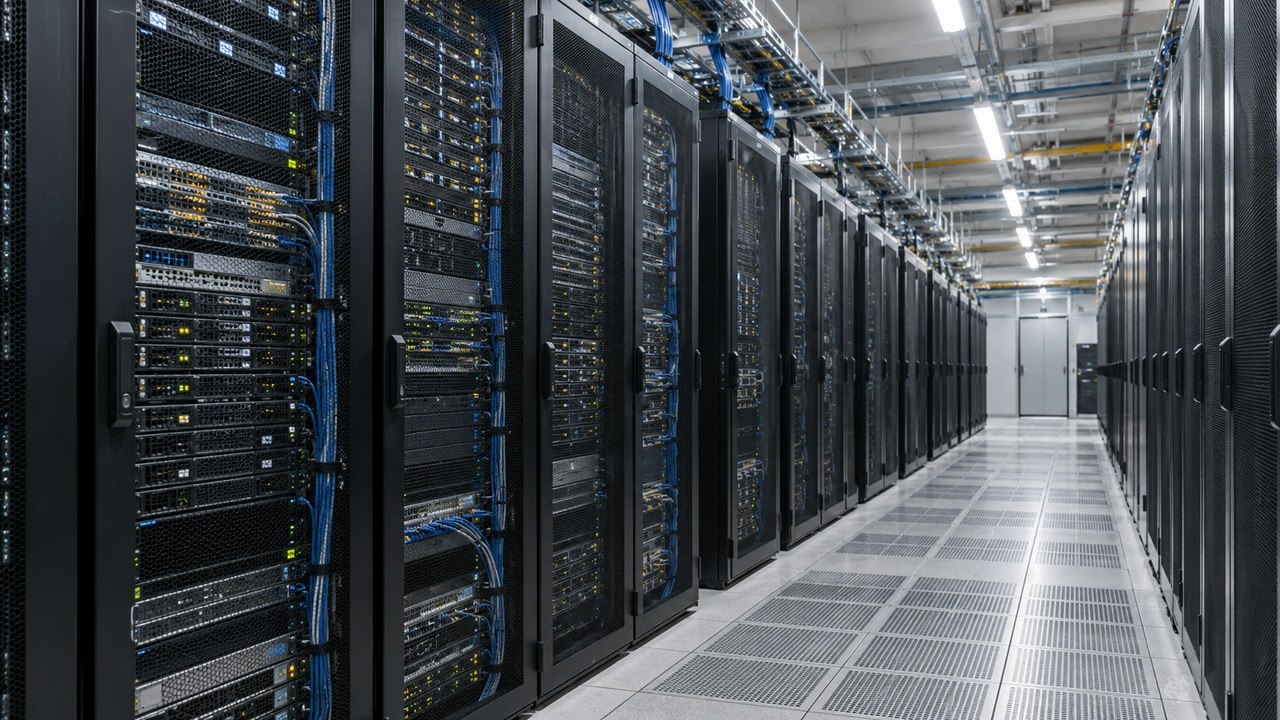
[Diary Point = Reporter Eom Ju-yong] Han River, South Korea’s sixth national supercomputer, began operating on the 2nd. Its theoretical computing performance is 24 times that of Nurion, the fifth-generation system introduced in 2018, and it is designed to support AI-driven scientific research using GPUs. Researchers are scheduled to gain access to official service on December 14.
The Ministry of Science and ICT and the Korea Institute of Science and Technology Information (KISTI) held a launch ceremony at KISTI’s headquarters in Daejeon. Han River is equipped with 8,496 of the latest GPUs, including NVIDIA GH200s, and 9,936 CPUs. Its storage capacity is 10 times that of the fifth-generation system, while network performance has quadrupled.
“24 times faster” does not mean every research project will run 24 times faster
The 24-fold figure compares the systems’ theoretical computing performance. It does not mean that research will take one twenty-fourth as long. The practical speedup will depend on the type of calculations, the volume of data, and how well each program makes use of the new system’s GPUs.
In simple terms, a supercomputer is a large research computer that splits vast numbers of calculations and handles them simultaneously. It can tackle computation-heavy work such as weather and climate forecasting or simulations of complex physical phenomena. In life sciences, it can help analyze huge datasets. Han River is built to support GPU-based AI research alongside the CPU-centered computing used by the previous system.
A national research resource allocated to researchers and companies
Han River is not equipment for consumers to buy or a personal AI service anyone can log into. It is national research infrastructure that university and government-funded research institute teams, as well as companies, can use after submitting research proposals and receiving an allocation of computing resources. The government plans to support research at universities and public research institutes, corporate technology development, and national strategic R&D initiatives such as K-Moonshot.
The system is currently in a pilot service phase, with regular service scheduled to begin on December 14. That means its higher performance will not immediately change everyday weather forecasts or medical services. Researchers first need to use the system to produce results, which must then be translated into practical forecasts, technologies, or products.
Over eight years, the fifth-generation Nurion supported 1,730 research projects. Han River’s performance figures point to a major increase in computing capacity available for research, but people outside the research community are likely to notice its impact only after findings are put to use. Once official service begins, resource allocations and research outcomes will offer the next measure of the system’s real-world impact.