
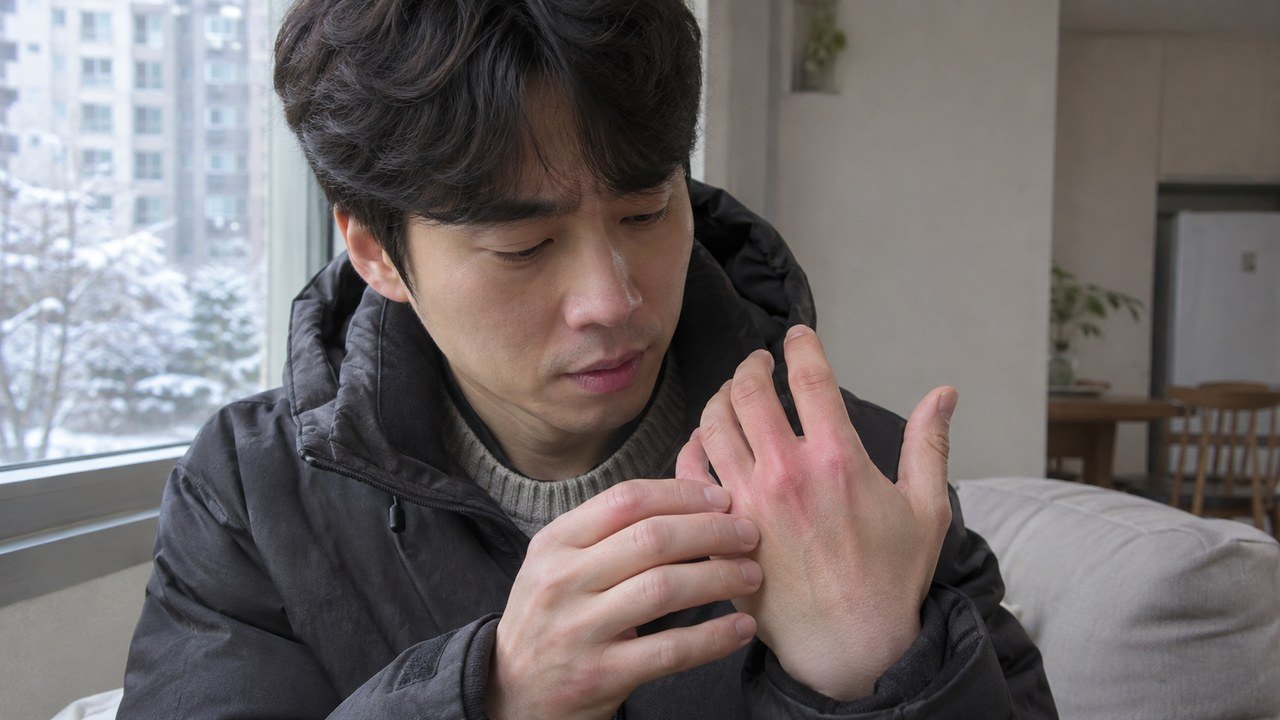
[DiaryPoint reporter Park Bo-young] If your fingers or toes become itchy and red after exposure to cold, you may have chilblains. Skin that turns white or yellowish gray, feels firm, or becomes numb may be a sign of frostbite and calls for prompt medical attention.
Itchy red swelling suggests chilblains; pale, firm skin may mean frostbite
Chilblains are a non-freezing cold injury that can develop after repeated exposure to damp, chilly conditions. When cold causes small blood vessels near the skin to narrow and the area then warms up, itching, pain and changes in skin color can occur.
Frostbite occurs when cold freezes and damages the skin and underlying tissue. Early signs can include pain or redness, but the risk of frostbite is greater if the skin turns pale, white or yellowish gray, feels firm to the touch, or loses sensation. In severe cases, blisters may form.
If you suspect frostbite, get warm and thaw the area in lukewarm water
If you suspect frostbite, move to a warm place, remove wet clothing and socks, and wrap yourself in a blanket. South Korea’s Korea Disease Control and Prevention Agency advises soaking the affected area in warm water at about 37–39°C (99–102°F) for 20–40 minutes. Check the water temperature with a thermometer. If you don’t have one, use water that feels comfortable when you immerse an unaffected hand for at least 30 seconds.
Place dry gauze between fingers or toes to keep them from sticking together. Elevating the affected area slightly may help reduce pain and swelling. If frostbite affects a leg, do not walk on it after it has thawed; get to a hospital promptly.
Rubbing the skin or applying direct heat can make the injury worse
Do not rub or massage frostbitten skin with snow or ice. Direct heat from a stove, radiator or electric heating pad, or soaking in water hotter than 40°C (104°F), can burn skin that has lost sensation. Do not pop blisters; have a medical professional examine them.
Seek prompt medical care if the skin has become pale and firm, sensation has diminished, or blisters have formed. Chilblains also need medical attention if the skin cracks, pus develops, symptoms keep returning, or the condition has not improved after two to three weeks. People with diabetes or persistent symptoms should also consult a medical professional.
To help prevent cold injuries, avoid shoes and socks that squeeze your feet, and change wet socks for a dry pair. In cold weather, avoid sitting or standing still for long periods, and keep your hands and feet warm and dry.