
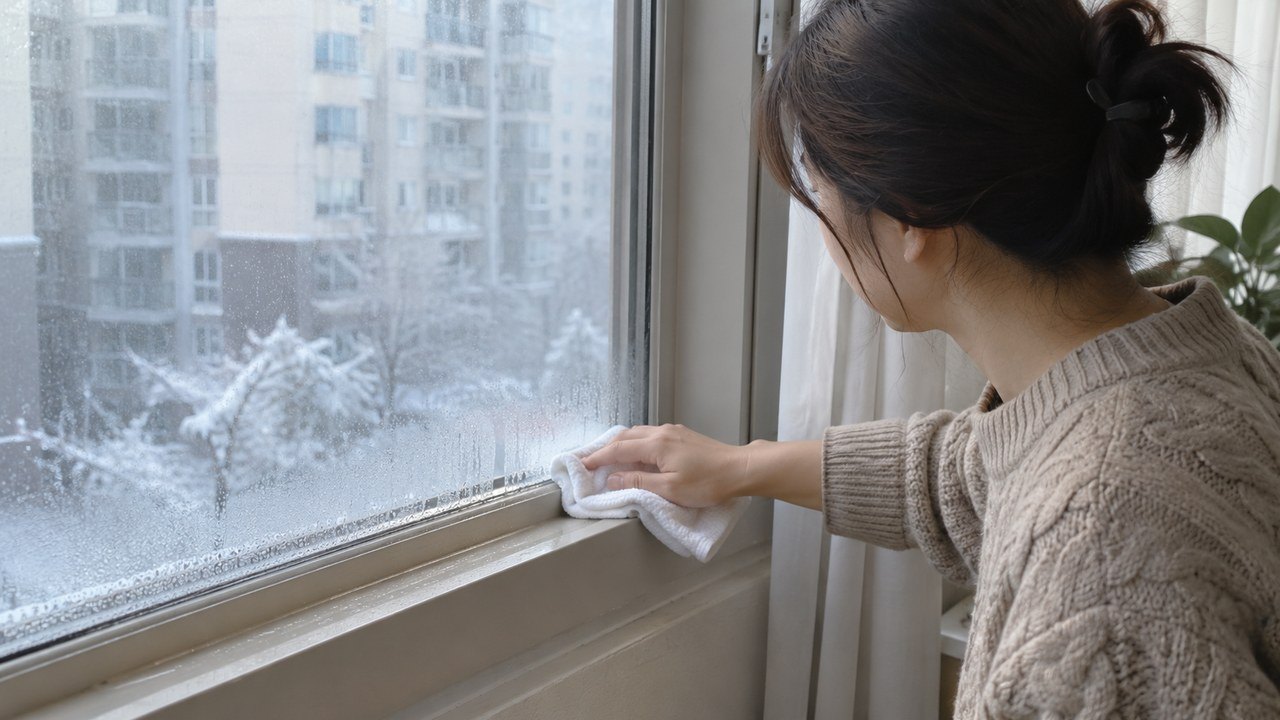
The water drops on the window in the winter morning are generated when the warm and moist air in the room cools up with the cold glass surface. If you leave the bite in place, there may be fungus around the window or wall, washing and drying, and managing the moisture and air flow in the room together.
The windows should be cleaned and completely dried.
The water attached to the glass and the window can be wiped out with a dry cloth. Take a look around the windows or around silicon, and use a ventilator to dry enough. The windows around which water drops frequently can be checked every morning to reduce the length of the water remaining.
According to the data distributed by the Ministry of National Transportation, the water drops are immediately washed, dried with a ventilator, etc., and then managed so that no moisture remains with moisturizers or periodic ventilation.The same data also show how to manage the indoor temperature and humidity together and ventilate 2-3 times a day.
Shortened and shortened.
Even on cold days, the windows are regularly opened to evacuate the accumulated water vapor in the room. The LH Life Guide recommends that you ventilate sufficiently more than twice a day to prevent fungus and regulate the indoor temperature and humidity. When cooking, turn on the kitchen hood and turn on the bathroom ventilator behind the shower to reduce the spread of water vapor into the room or hallway.
Humidifier, indoor washing drying, a lot of dirt can increase indoor humidity. If the humidity meter is kept high, it is good to reduce humidity time or increase ventilation and humidity. The Ministry of Transportation data guides indoor humidity to less than 50% as a common housing rule.
Furniture and luggage are removed from the cold walls.
If you close the fence or large furniture to the exterior wall, the back air can not flow well and the moisture can remain. Remove the furniture from the wall, open the fence door from time to time to ventilate the inside. On the balcony, do not cover the ventilator or overload the load to prevent the flow of air.
If the fungus has already appeared, remove it according to the use of the product while ventilating, and do not mix the detergent with each other. If the fungus is repeatedly bitten or spread inside the wall, ask for an inspection at the administration office. If symptoms such as coughing or breathing discomfort continue after exposure to the fungus, you should be treated by a medical institution.