
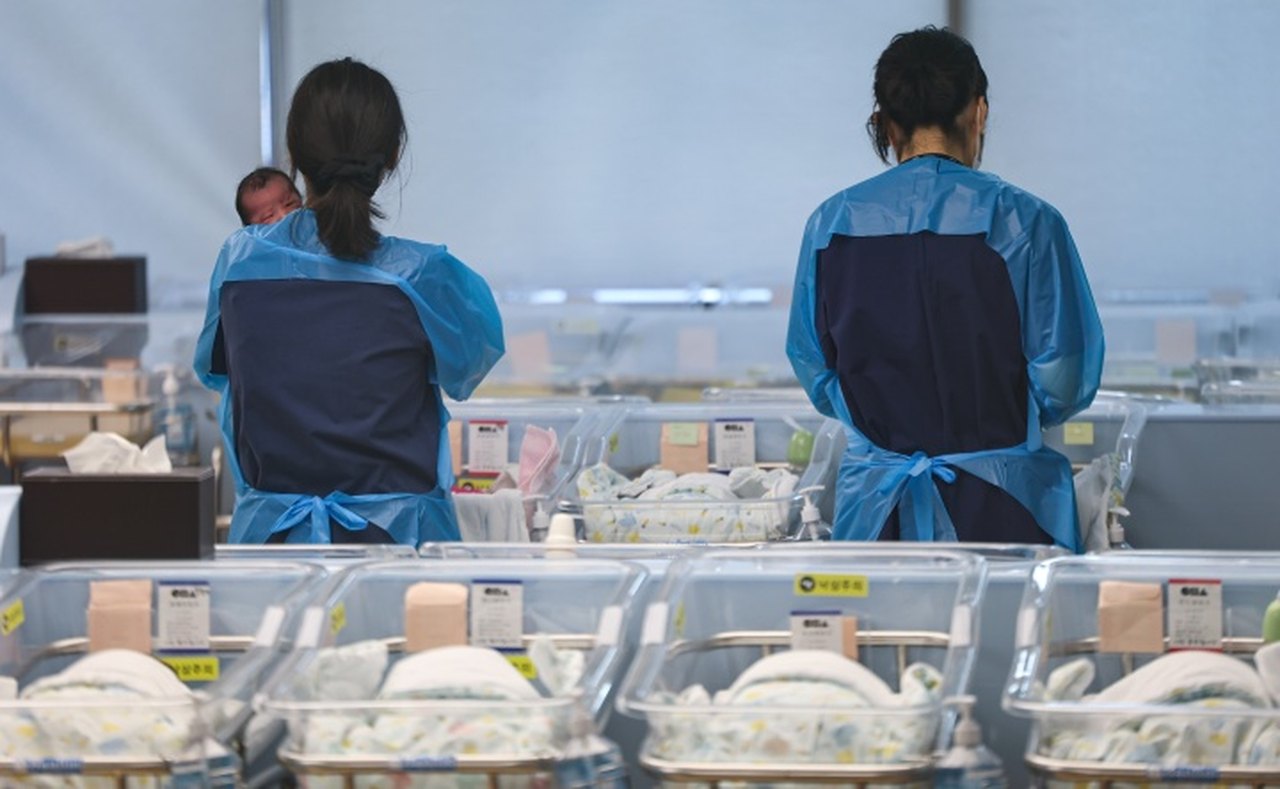
[DiaryPoint = Reporter Park Bo-young] South Korea’s Ministry of Food and Drug Safety said on the 6th that it had newly designated a peritoneal dialysis catheter and connection system for treating severe acute kidney injury in infants and children as medical devices eligible for expedited import. The designation waives the usual import approval, certification and notification procedures, allowing the devices to be supplied more quickly.
Acute kidney injury occurs when kidney function suddenly declines, disrupting the removal of waste and the regulation of fluids and electrolytes in the body. Peritoneal dialysis uses the lining of the abdomen to remove waste and excess fluid, and is used to treat patients with severe acute kidney injury.
A catheter and fluid-management system designed for smaller patients
One of the newly designated devices is a peritoneal dialysis catheter with an outer diameter suited to infants and children. The other is a catheter connection system that helps precisely measure the amount of dialysis fluid infused and drained during manual peritoneal dialysis.
Because infants and young children are small, they need smaller amounts of dialysis fluid at a time. The catheter must fit the patient, and infusion and drainage volumes must be managed carefully, making it difficult to meet treatment needs with adult devices alone.
Expedited designation streamlines imports
South Korea’s expedited medical device import program allows devices that are urgently needed, including for rare and difficult-to-treat conditions, to be used in patient care without the usual import approval, certification or notification procedures. The ministry said it considered demand from healthcare providers, the availability of domestic alternatives and the urgency of treatment before making the designation. The total number of designated products is now 43.
Guidelines from the International Society for Peritoneal Dialysis identify peritoneal dialysis as an appropriate form of kidney replacement therapy for children with acute kidney injury. They also recommend equipment that precisely measures infusion and drainage volumes when manual dialysis is used for small patients. Professor Yang Eun-mi of the Department of Pediatrics at Chonnam National University Children’s Hospital said domestic availability of the devices could help provide equipment suited to patients’ ages and body sizes, improving the safety and efficiency of dialysis treatment.