
[DiaryPoint = Reporter Park Bo-young] Norovirus is an acute gastrointestinal infection that spreads when the virus enters the mouth through contaminated food or water, or through hands and objects contaminated with an infected person’s vomit or stool. The Korea Disease Control and Prevention Agency says cases in South Korea tend to be more frequent from November through April.
Handwashing is an important precaution, but it cannot stop transmission by itself. Thoroughly cooking food, separating the sick person’s living space, and safely cleaning up vomit and diarrhea are also key to reducing the risk of infection within a household.
Wash with soap for at least 30 seconds and cook food thoroughly
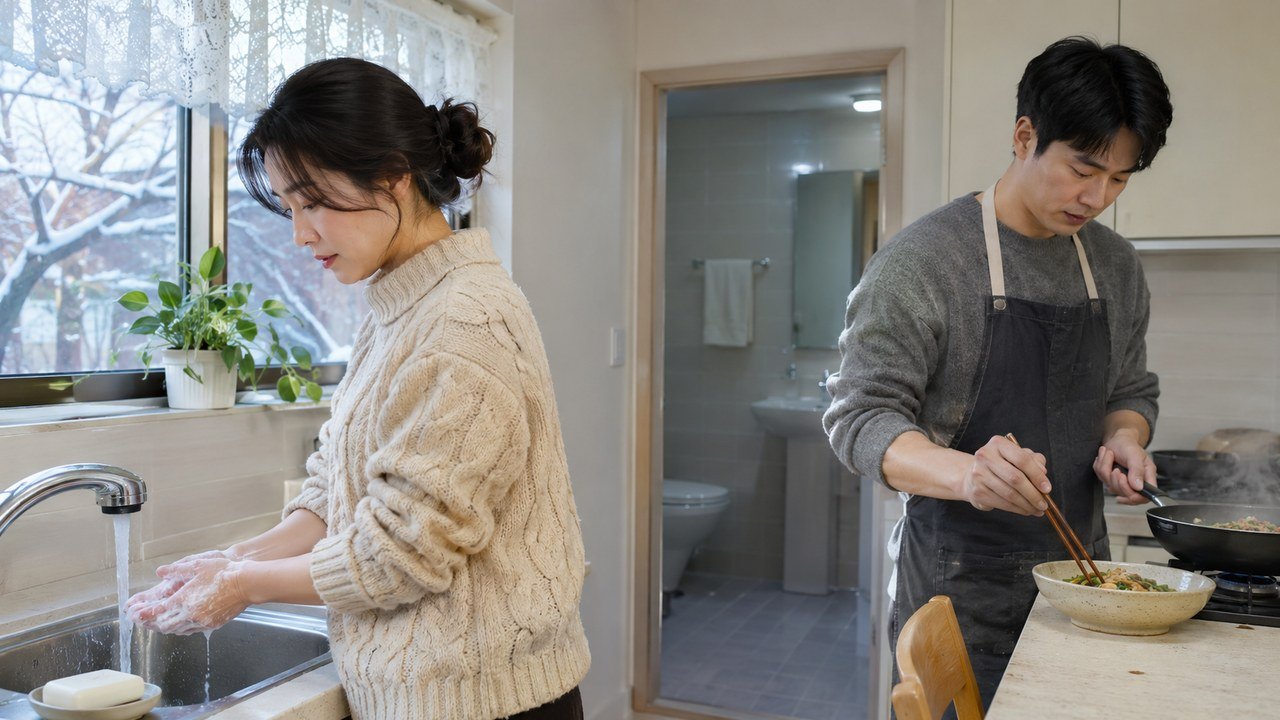
Wash your hands with soap under running water for at least 30 seconds after coming home, before eating, after using the toilet, and after changing a diaper or caring for someone who is sick. Alcohol-based hand sanitizer may be less effective against norovirus, so it is not a reliable substitute for washing with soap and water.
Cook food to an internal temperature of at least 85°C (185°F) for one minute or more, and cook shellfish, including oysters, all the way through. Rinse fruits and vegetables under running water, and use separate knives and cutting boards for different ingredients. Anyone preparing food who develops vomiting or diarrhea should stop handling food.
Keep sick family members apart until 48 hours after symptoms end
People who have been sick are advised to avoid daycare, school, and work until 48 hours after their symptoms have gone away. Keep them separate from other household members and, where possible, give them a separate bathroom. After using the toilet, close the lid before flushing.
Use separate towels, dishes, and other frequently shared items, and disinfect high-touch surfaces such as doorknobs and faucets that the sick person has handled. Hygiene measures should continue even after symptoms stop to help prevent further spread.
Wear gloves and a mask, and clean vomit with a chlorine-based disinfectant
If someone vomits or has diarrhea, put on gloves and a mask first, and keep others away from the area. Carefully wipe up the mess with paper towels or similar material and seal it in a bag for disposal. Then disinfect the contaminated floor and nearby surfaces with diluted household bleach. The Korea Disease Control and Prevention Agency recommends one part household bleach to 39 parts water; check the product label and make sure the solution is suitable for the surface.
Handle soiled clothing and bedding separately, without shaking them. The agency advises washing laundry at 70°C (158°F) or higher, or rinsing it for at least five minutes in a solution of one part bleach to 266 parts water. When cleanup is finished, remove your gloves and wash your hands with soap.
Vomiting and diarrhea can lead to fluid loss, so replacing fluids and electrolytes is important. Young children, older adults, and people with weakened immune systems are especially vulnerable to dehydration. Seek medical care if symptoms persist or signs of dehydration appear.