
[DiaryPoint = Reporter Choi Seung-jin] South Korea’s Ministry of Culture, Sports and Tourism and the Korea Tourism Organization announced on the 19th that they had selected 30 sites for the 2027 accessible tourism program. Once work at the new sites is complete, the nationwide network will have 242 locations, counting those added since the program began in 2015.
In Gyeonggi Province, the selected sites are Myeongsudang at Hankuk University of Foreign Studies, Yongin Farm Theme Park and Yongin Natural Recreation Forest in Yongin, as well as Yongmunsan Tourism Area in Yangpyeong. Gangwon Province’s picks include Gyeongpo Beach in Gangneung and Happy Chowon Ranch in Chuncheon; Busan’s Taejongdae Resort Park was also selected.
In South Chungcheong Province, the sites are the Onyang Folk Museum, Onggi Fermented Food Exhibition and Experience Center, and Gongseri Catholic Church in Asan, along with Geumsan Forest Culture Town and Jinsan Shrine in Geumsan. Jeonbuk Province’s selections are Imsil Cheese Theme Park, Osu Dog Opinion Tourist Area and Yongsan Lake in Jeongeup. In South Jeolla Province, Baekje Buddhist First Arrival Site in Yeonggwang was chosen.
North Gyeongsang Province has nine selected sites: Jikjisa Temple’s Samyeongdang Park, Chupungryeong Theme Park, Gyodong Yeonhwaji Pond and Sannaedeul Auto Camping Site in Gimcheon; Juwangsan National Park, Jusanji Reservoir and Baekseoktan potholes in Cheongsong; and Uiseong Rural Filial Piety Theme Park and Uiseong Pet World. South Gyeongsang Province has five: the riverside park in the Yeongnamnu area and Miryang Arirang Observatory in Miryang, plus Upo Wetland Ecological Center, Upo Wetland Experience Center, Upo Youth Hostel and campground in Changnyeong.
The program runs for one year at each destination and aims to improve physical and informational accessibility. The project guidelines include adding ramps and walkways, renovating key attractions and visitor amenities, developing hands-on activities, and providing information online and on site. Local governments receive 250 million won in national funding per site and contribute the same amount from local funds.
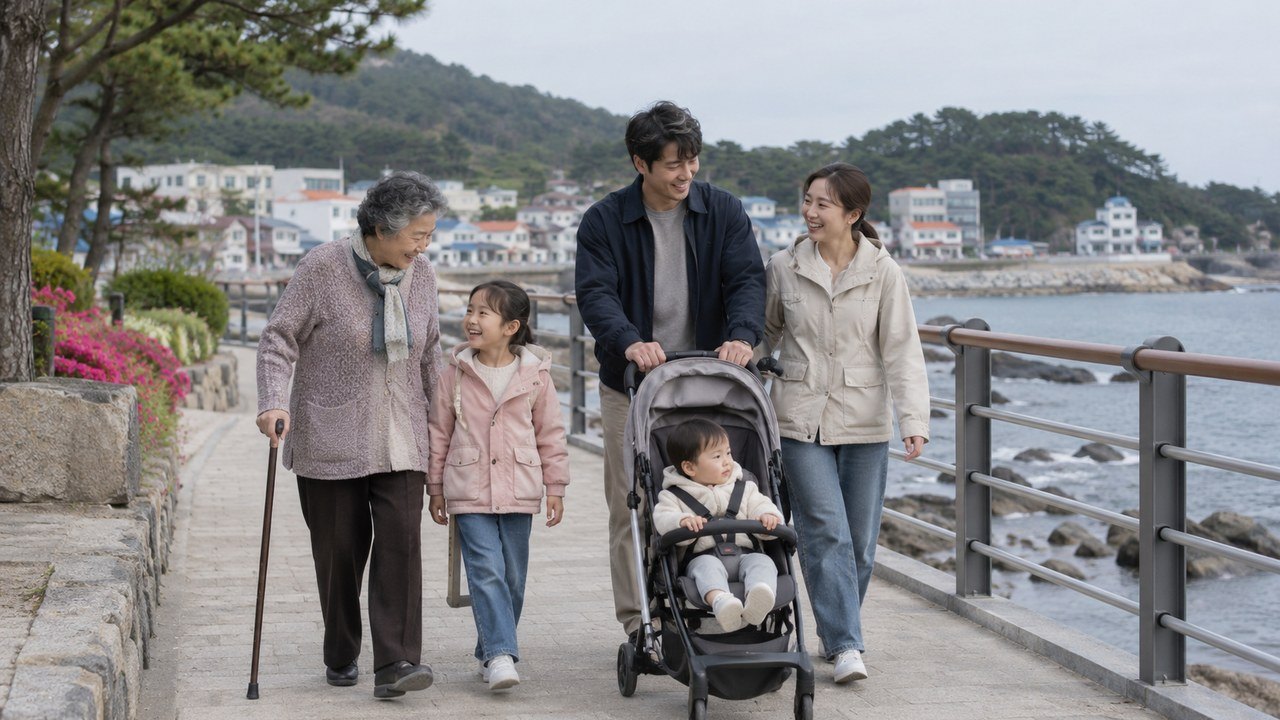
Families planning a trip with children or older relatives should check each destination’s latest visitor information for currently available restrooms, parking and accessible routes. The ministry says that, once construction at the newly selected sites is complete, it plans to provide infrastructure such as accessible restrooms, parking spaces and walkways for visitors who face barriers to travel.
Kang Dong-jin, director general for tourism policy at the ministry, said the goal is “to build an inclusive tourism foundation so that everyone, at every stage of life, can travel safely and comfortably at any time.” The 30 selected sites will bring the nationwide total to 242 once development is complete.